
How to Determine Your Skin Type: A Simple Guide to Better Skincare
Posted by Histolab Skincare Australia on 26th Jul 2026
How to Determine Your Skin Type: A Simple Guide to Better Skincare
Understanding your skin type is one of the most important steps in building an effective skincare routine. Whether your skin feels oily, dry, sensitive, or somewhere in between, knowing its unique characteristics can help you choose products that truly work for your needs. In this guide, we'll explain the different skin types, show you how to identify yours, and recommend the key ingredients and products best suited to each one. Let's get started!
The Bare-Face Test
One of the simplest ways to identify your skin type is by observing your skin in its natural state. This quick at-home test takes less than an hour and requires no special tools.
Start by cleansing your face with a gentle cleanser to remove makeup, sunscreen, excess oil, and impurities. Pat your skin dry with a soft towel, then avoid applying any skincare products. Wait for 30 minutes to allow your skin to return to its natural balance.
Next, take a close look at your skin and pay attention to how it feels:
- Shiny all over, especially on the cheeks and T-zone? You likely have oily skin.
- Feeling tight, rough, or showing flaky patches? Your skin is probably dry.
- An oily T-zone with normal or dry cheeks? This is a common sign of combination skin.
- Comfortable, balanced, and neither oily nor dry? You most likely have normal skin.
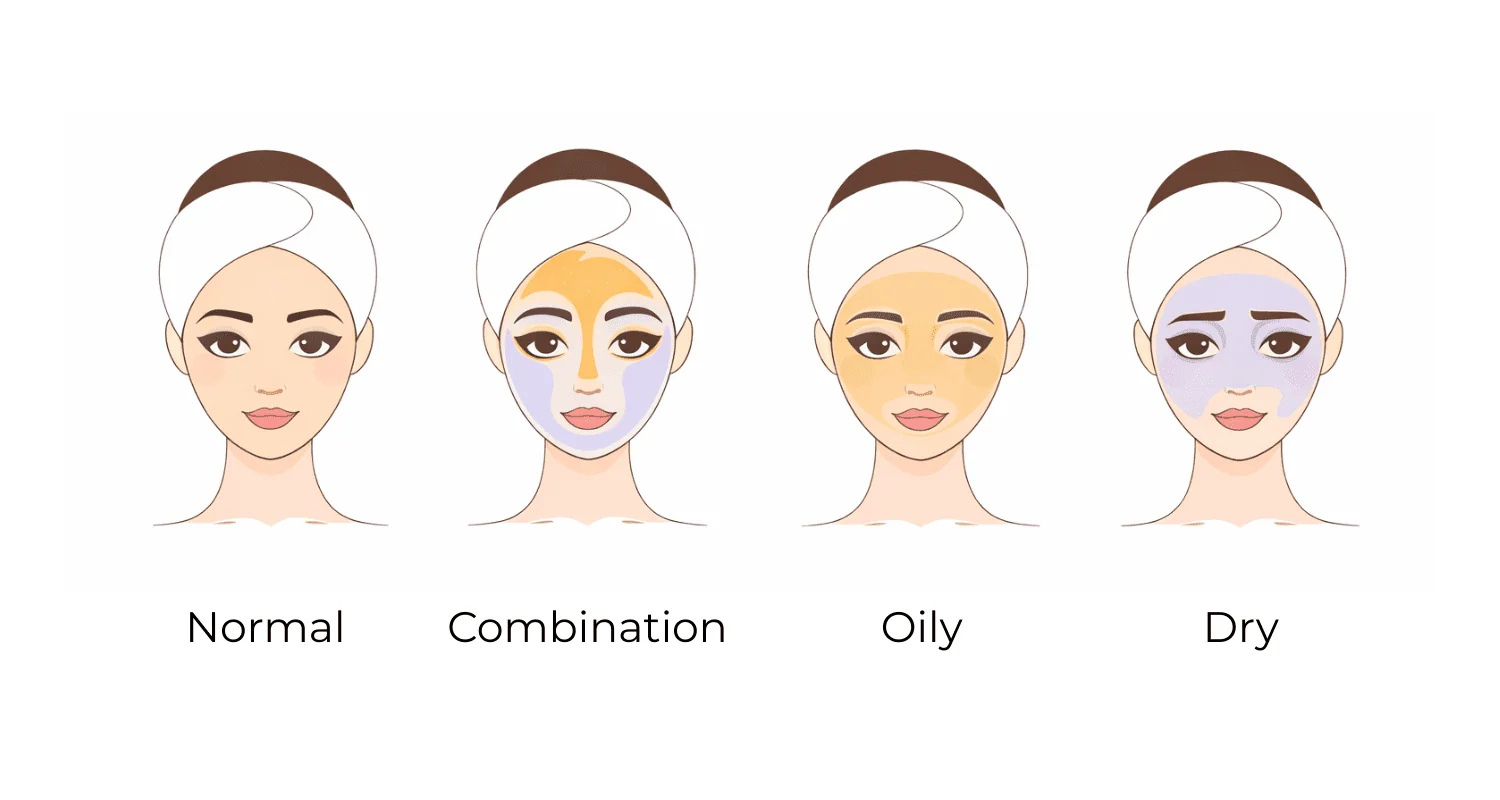
Keep in mind that your skin can change over time due to factors such as the weather, hormones, age, and your skincare routine. If your skin's needs seem different from season to season, it's worth repeating this simple test to ensure you're using the most suitable products.
The Blotting Paper Test
If you're looking for another quick and easy way to identify your skin type, the blotting paper test is a great option. It helps measure how much oil your skin naturally produces throughout the day.
Simply press a clean blotting paper onto different areas of your face, including your forehead, nose, chin, and cheeks. Hold the paper up to the light to check how much oil has been absorbed.
Here's how to interpret the results:
- A large amount of oil across the paper: You likely have oily skin.
- Little to no oil visible: Your skin is most likely dry.
- A small amount of oil, mainly from the forehead and nose (T-zone): You probably have combination skin.
- Only a light amount of oil with no obvious dry areas: You likely have normal skin.
For the most accurate results, perform this test a few hours after cleansing your face and before applying additional skincare or makeup. Combined with the bare-face test, the blotting paper method can give you a clearer understanding of your skin type, making it easier to choose products that suit your skin's unique needs.
How to Find the Right Products for Your Skin
1. Oily Skin
Oily skin is characterised by an overproduction of sebum, the skin's natural oil. While sebum helps protect and moisturise the skin, excessive amounts can clog pores, leading to blackheads, whiteheads, and acne breakouts. This condition, known as seborrhoea, is one of the main reasons oily skin requires targeted care.
Although managing oily skin can be frustrating, choosing the right ingredients and maintaining a consistent routine can help keep excess shine and blemishes under control.
Ingredients to Look For
When selecting skincare products for oily skin, focus on ingredients that help regulate oil production, unclog pores, and reduce breakouts without over-drying the skin.
Some of the most effective ingredients include:
- Niacinamide – Helps regulate sebum production, minimise the appearance of pores, and strengthen the skin barrier.
- Salicylic Acid (BHA) – Penetrates deep into pores to dissolve excess oil and prevent clogged pores.
- Alpha Hydroxy Acids (AHAs) – Gently exfoliate the skin's surface, improving texture and promoting cell turnover.
- Benzoyl Peroxide – Targets acne-causing bacteria and helps reduce inflammatory breakouts.
- Sulfur – Absorbs excess oil while helping to calm blemishes.
- Retinoids – Encourage healthy skin renewal, reduce clogged pores, and improve overall skin clarity.
Despite common misconceptions, facial oils aren't always off-limits for oily skin. Lightweight oils such as squalane or oils rich in linoleic acid, like rosehip seed oil, can help support the skin barrier and may even help balance sebum production without feeling greasy.
Ingredients and Habits to Avoid
One of the biggest mistakes people with oily skin make is trying to remove every trace of oil. Over-cleansing or using multiple exfoliating acids too frequently can strip the skin of its natural moisture. In response, the skin may produce even more oil to compensate, potentially worsening shine and breakouts.
To keep oily skin healthy:
- Avoid over-exfoliating with AHAs or BHAs.
- Don't use multiple strong acne treatments at the same time.
- Choose gentle, non-comedogenic moisturisers instead of skipping moisturiser altogether.
- Be patient—consistent use of active ingredients often delivers better long-term results than aggressive treatments.
Some ingredients may trigger breakouts in certain individuals, although everyone's skin responds differently. If you notice recurring congestion after introducing a new product, monitor ingredients such as coconut oil and its derivatives, tocopherol (Vitamin E), or heavier emollients. Rather than relying solely on comedogenicity ratings, pay attention to how your own skin reacts.
Recommended Skincare Approach
A balanced routine for oily skin should focus on controlling excess oil while maintaining a healthy skin barrier:
- Cleanse twice daily with a gentle foaming cleanser.
- Apply a lightweight serum containing niacinamide or salicylic acid.
- Follow with an oil-free, non-comedogenic moisturiser.
- Finish with a broad-spectrum sunscreen every morning.
Remember, oily skin still needs hydration. Keeping your skin properly moisturised can help maintain balance and reduce the urge for your skin to produce excess oil.
2. Normal Skin
Normal skin, also known as eudermic skin in dermatology, is considered the ideal skin type because it maintains a healthy balance of oil and moisture. It produces just the right amount of sebum to keep the skin hydrated without becoming overly oily or dry.
People with normal skin typically experience fewer concerns such as acne, flakiness, or sensitivity. Their complexion often appears smooth, even, and radiant, with fine pores and a healthy skin barrier. However, it's important to remember that skin can change over time. As we age or experience changes in climate, hormones, or lifestyle, normal skin may gradually become drier and require additional hydration.
Ingredients to Look For
The key to caring for normal skin is maintaining its natural balance rather than trying to correct issues that aren't there. A simple, consistent skincare routine is often all you need.
Look for products containing:
- Hyaluronic Acid – Delivers long-lasting hydration and helps keep skin plump.
- Ceramides – Strengthen the skin barrier and lock in moisture.
- Niacinamide – Supports skin health, refines skin texture, and helps maintain a balanced complexion.
- Antioxidants such as Vitamin C or Vitamin E – Help protect the skin from environmental damage and promote a brighter, healthier-looking complexion.
- What to Avoid
Although normal skin is generally resilient, it's still possible to disrupt its balance by using overly harsh products.
Try to avoid:
- Over-exfoliating with strong acids or physical scrubs.
- Cleansers that strip away the skin's natural oils.
- Using unnecessary active ingredients in high concentrations if you don't have specific skin concerns.
- Skipping sunscreen, as UV exposure is one of the leading causes of premature skin ageing.
Recommended Skincare Routine
A straightforward routine is usually enough to keep normal skin healthy and glowing:
- Cleanse with a gentle cleanser to remove dirt and impurities.
- Apply a hydrating serum if you'd like an extra boost of moisture or antioxidant protection.
- Moisturise to maintain hydration and support the skin barrier.
- Finish with a broad-spectrum sunscreen (SPF 30 or higher) every morning to protect against UV damage.
- With normal skin, consistency is more important than complexity. A well-balanced routine that focuses on cleansing, hydration, and sun protection will help maintain your skin's healthy appearance for years to come.
3. Combination Skin
Combination skin is one of the most common skin types, characterised by an oily T-zone (forehead, nose, and chin) and normal to dry cheeks. Because different areas of the face have different needs, finding the right skincare routine can sometimes feel challenging. Products that work well for controlling oil may leave the cheeks feeling dry, while richer moisturisers can make the T-zone appear shinier.
The goal when caring for combination skin is to balance oil production while maintaining hydration, rather than treating the entire face the same way.
Ingredients to Look For
Combination skin benefits from lightweight, balancing ingredients that hydrate without clogging pores.
Look for products containing:
- Niacinamide – Helps regulate excess oil while supporting the skin barrier.
- Hyaluronic Acid – Provides lightweight hydration without feeling greasy.
- Ceramides – Strengthen the skin barrier and help prevent moisture loss.
- Salicylic Acid (BHA) – Helps keep the T-zone clear by removing excess oil and unclogging pores.
- Centella Asiatica or Panthenol – Calm and soothe dry or sensitive areas of the face.
How to Care for Combination Skin
There's no rule that says you have to use the same products on every part of your face. In fact, multi-zoning—using different products for different areas—is often the most effective approach.
For example:
- Apply a lightweight, oil-free moisturiser to the T-zone if it tends to become oily.
- Use a richer moisturiser on the cheeks if they often feel dry or tight.
- Treat blemishes with targeted acne treatments instead of applying strong active ingredients across your entire face.
- Exfoliate gently and avoid overusing acids, particularly on dry areas.
What to Avoid
Because combination skin has both oily and dry areas, it's easy to overcorrect one problem while creating another.
Try to avoid:
- Using harsh cleansers that strip the skin of its natural moisture.
- Applying strong acne treatments to your entire face if only the T-zone is oily.
- Skipping moisturiser, even if your skin feels oily in some areas.
- Heavy, occlusive creams on oily areas that may contribute to clogged pores.
Recommended Skincare Routine
A balanced routine for combination skin should address both hydration and oil control:
Cleanse with a gentle, pH-balanced cleanser.
- Apply a lightweight hydrating serum, such as one containing hyaluronic acid or niacinamide.
- Moisturise according to your skin's needs—use a lighter formula on oily areas and a richer cream where extra hydration is needed.
- Wear a broad-spectrum sunscreen (SPF 30 or higher) every morning to protect your skin from UV damage.
- Combination skin often requires a little flexibility, but with the right products and a customised approach, you can keep both oily and dry areas healthy, comfortable, and well-balanced.
4. Dry Skin
Dry skin produces less sebum than normal skin, which means it lacks the natural oils needed to keep moisture locked in and protect the skin from external irritants. As a result, dry skin often feels tight, rough, or uncomfortable and may appear dull, flaky, or less supple.
Dry skin can be influenced by a variety of factors, including genetics, ageing, cold or dry climates, excessive cleansing, and the use of strong skincare treatments. It is also commonly associated with a weakened skin barrier and reduced levels of natural moisturizing factors (NMFs), such as amino acids, urea, and lactic acid, as well as essential lipids like ceramides, fatty acids, and cholesterol.
The key to caring for dry skin is to restore hydration, replenish the skin barrier, and prevent moisture loss.
Ingredients to Look For
Choose products that deeply hydrate the skin while reinforcing its natural barrier.
Some of the most beneficial ingredients include:
- Hyaluronic Acid – Attracts and retains moisture for long-lasting hydration.
- Ceramides – Restore the skin barrier and help prevent water loss.
- Glycerin – Draws moisture into the skin, leaving it soft and smooth.
- Urea – Hydrates while gently softening rough, dry patches.
- Amino Acids – Support the skin's natural moisturizing factors.
- Plant Oils (such as jojoba, squalane, or rosehip oil) – Nourish and lock in moisture.
- Salicylic Acid (used sparingly) – Can gently exfoliate flaky skin without disrupting the skin barrier when formulated appropriately.
- What to Avoid
Dry skin is more vulnerable to irritation, so it's important to avoid habits that strip away its already limited moisture.
Try to avoid:
- Over-exfoliating with chemical exfoliants (AHAs or BHAs) or harsh physical scrubs.
- Cleansers containing strong sulfates or alcohol that leave the skin feeling tight.
- Hot showers or washing your face with very hot water, which can further dehydrate the skin.
- Skipping moisturiser, especially after cleansing.
Although exfoliation should be limited, it doesn't need to be avoided entirely. Used once a week and in moderation, gentle exfoliants or retinoids can help improve skin texture, encourage healthy cell turnover, and support smoother, healthier-looking skin over time.
Recommended Skincare Routine
A gentle, hydrating routine is essential for maintaining healthy dry skin.
Cleanse gently, preferably with a cream, milk, or oil-based cleanser that won't strip the skin.
Apply a hydrating serum containing ingredients like hyaluronic acid or glycerin while the skin is still slightly damp.
Seal in moisture with a rich moisturiser containing ceramides, nourishing lipids, or plant oils.
Finish with a broad-spectrum sunscreen (SPF 30 or higher) every morning to protect the skin from UV damage.
If your skin feels particularly dry, consider cleansing only in the evening to remove sunscreen, makeup, and impurities. In the morning, rinsing your face with lukewarm water may be enough to refresh your skin without compromising its natural moisture barrier.
With consistent hydration and barrier-focused skincare, dry skin can become softer, smoother, and more comfortable while maintaining a healthy, radiant appearance.
Find the Right Skincare for Your Skin at Histolab
Understanding your skin type is the first step towards achieving healthier, more balanced skin. Once you know whether your skin is oily, dry, combination, normal, or sensitive, you can confidently choose products that address your skin's unique needs while supporting a strong, healthy skin barrier.
At Histolab , you'll find a wide range of professional Korean skincare products formulated for every skin type and concern—from lightweight hydrators for oily skin to nourishing creams for dry skin and calming solutions for sensitive skin. Whether you're building your first skincare routine or looking to upgrade your current one, Histolab AU offers clinically inspired formulas designed to help your skin look and feel its best.
Explore the Histolab collection today and discover the skincare products best suited to your unique skin type for healthier, more radiant skin every day.