The Complete Guide to Facial Exfoliators for Radiant, Glowing Skin
Posted by Histolab Skincare Australia on 20th Sep 2026
The Complete Guide to Facial Exfoliators for Radiant, Glowing Skin
A well-chosen facial exfoliator can make a noticeable difference to your skin by removing the buildup of dead skin cells that can leave your complexion looking dull, contribute to clogged pores, and affect how smoothly your skincare products apply. The result? Skin that looks fresher, smoother, and more radiant.
But with so many options available, from physical scrubs to chemical exfoliants, finding the right one for your skin can feel overwhelming. Which type should you choose, and how can you exfoliate without compromising your skin barrier?
In this blog, we're breaking down everything you need to know about facial exfoliators, including how they work, the different types available, and how to choose a formula that suits your skin type. We'll also explore exfoliators, known for their innovative formulations and skin-conscious approach to exfoliation, to help you discover options that support a smoother, more radiant-looking complexion while respecting your skin's needs.
How do facial exfoliators work?
Think of facial exfoliation as a gentle reset for your skin. It helps remove the buildup of dead skin cells on the surface, revealing a smoother, fresher, and more radiant-looking complexion.
Your skin naturally sheds dead skin cells through a process called cell turnover. However, this process can become less efficient with age, while factors such as environmental stressors and hormonal changes may contribute to a dull or uneven-looking complexion. When dead skin cells accumulate, they can make skin feel rough, contribute to clogged pores, and affect the smooth application of your skincare products.
This is where facial exfoliators come in. By helping loosen and remove dead skin cells, they support skin renewal and promote a clearer, more refined appearance.
But the benefits of exfoliation go beyond an instant glow. When used appropriately, exfoliators can help improve the appearance of uneven skin tone, dark spots, and post-breakout marks over time. They can also help minimise the appearance of congested pores, refine uneven skin texture, and leave your complexion feeling softer and smoother.
Another benefit? Exfoliation can help create a smoother surface for the rest of your skincare routine. While it doesn't necessarily make every product absorb better, removing excess surface buildup can help your serums and moisturisers apply more evenly, allowing you to get the most out of your daily skincare ritual.
The key is finding the right exfoliator for your skin and using it in moderation. After all, healthy, glowing skin isn't about exfoliating more — it's about exfoliating smarter.
Types of facial exfoliators
Not all facial exfoliators work the same way. Depending on their formulation and how they interact with your skin, exfoliators generally fall into two main categories: physical and chemical exfoliators. Understanding the difference can help you choose a formula that suits your skin type and skincare goals.
1. Physical exfoliators
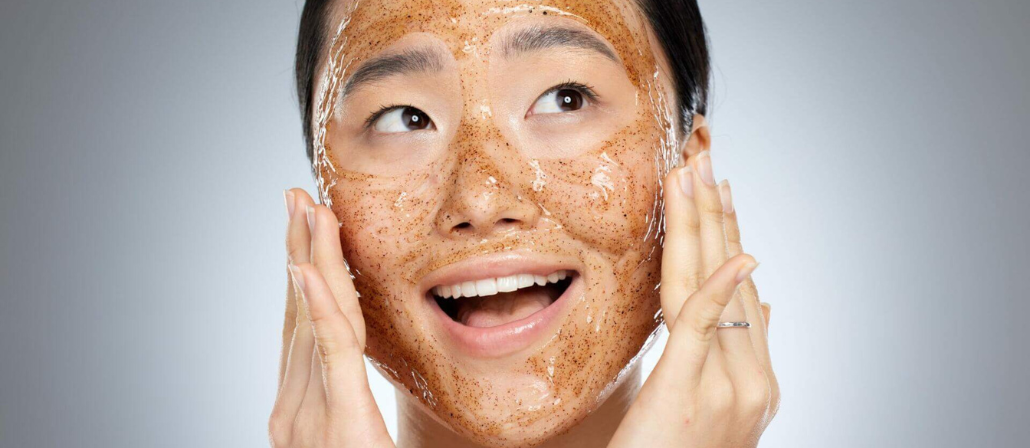
Physical exfoliators use gentle friction to help remove dead skin cells and surface impurities. They come in several forms, including facial scrubs, peeling gels, and exfoliating cleansers.
- Facial scrubs: Formulated with exfoliating particles, such as sugar granules or rice bran powder, to buff away dead skin cells and leave the skin feeling smoother.
- Peeling gels: Designed to form soft, roll-like particles as you massage the product onto your skin, helping lift away surface debris and dead skin cell buildup.
- Exfoliating cleansers: Combine cleansing and exfoliation in one step, helping remove impurities while refreshing the skin's surface.
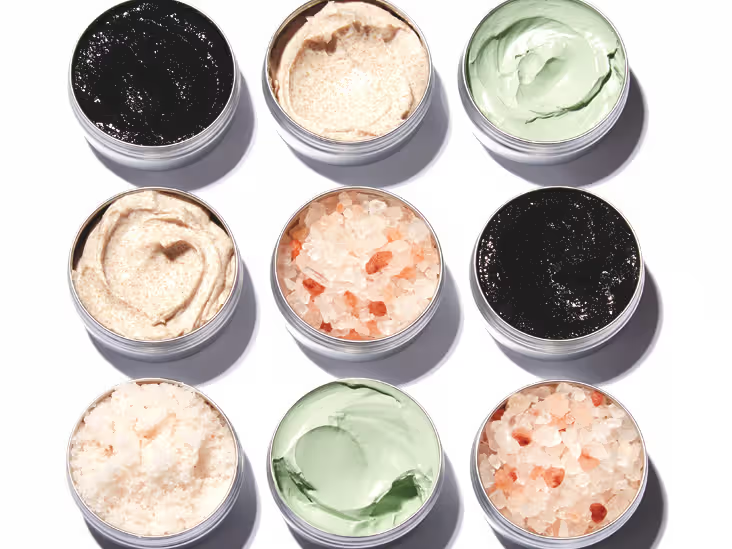
Physical exfoliators can leave your skin feeling instantly smoother. However, it's important to use gentle pressure and avoid overly abrasive formulas, particularly if your skin is sensitive or easily irritated.
2. Chemical exfoliators
Unlike physical exfoliators, chemical exfoliators use exfoliating acids to loosen the bonds between dead skin cells, helping them shed more easily without the need for scrubbing. Different acids work in different ways, making them suitable for a range of skin types and concerns.
The three main types of chemical exfoliants are:
- AHAs (Alpha Hydroxy Acids): Ingredients such as glycolic acid and lactic acid work primarily on the skin's surface to improve the appearance of uneven texture, dullness, and uneven skin tone.
- BHAs (Beta Hydroxy Acids): Salicylic acid is a well-known BHA that is oil-soluble, allowing it to work within pores to help remove excess sebum and buildup. It's particularly useful for oily, congested, and blemish-prone skin.
PHAs (Polyhydroxy Acids): Often considered a gentler exfoliating option, PHAs have larger molecular structures than many AHAs, allowing for slower penetration. They can be a good choice for skin that prefers a milder exfoliation approach.
Each type offers different benefits, so choosing the right exfoliant depends on your skin's needs, sensitivity, and tolerance.
How to choose the right facial exfoliator for your skin type
Choosing the right exfoliator can make all the difference between a smoother, more radiant complexion and skin that feels irritated or over-exfoliated. The secret is finding a formula that addresses your skin's specific needs while respecting its natural barrier.
Here's what to look for when choosing a facial exfoliator for your skin type.
Exfoliators for sensitive skin
Sensitive and dry skin benefits from a gentler approach to exfoliation. Harsh scrubs and high-strength acids may be too aggressive, potentially causing redness, stinging, dryness, or discomfort.
PHAs (Polyhydroxy Acids) can be a suitable option for sensitive skin because their larger molecular structure allows for a gentler exfoliating action. Enzyme exfoliators containing ingredients such as papaya or pineapple enzymes are another option for those looking for mild, non-abrasive exfoliation.
When choosing an exfoliator, consider formulas that also contain soothing and skin-conditioning ingredients. Centella Asiatica, Aloe Vera, and Chamomile are commonly used to help comfort and soothe the skin while exfoliating.
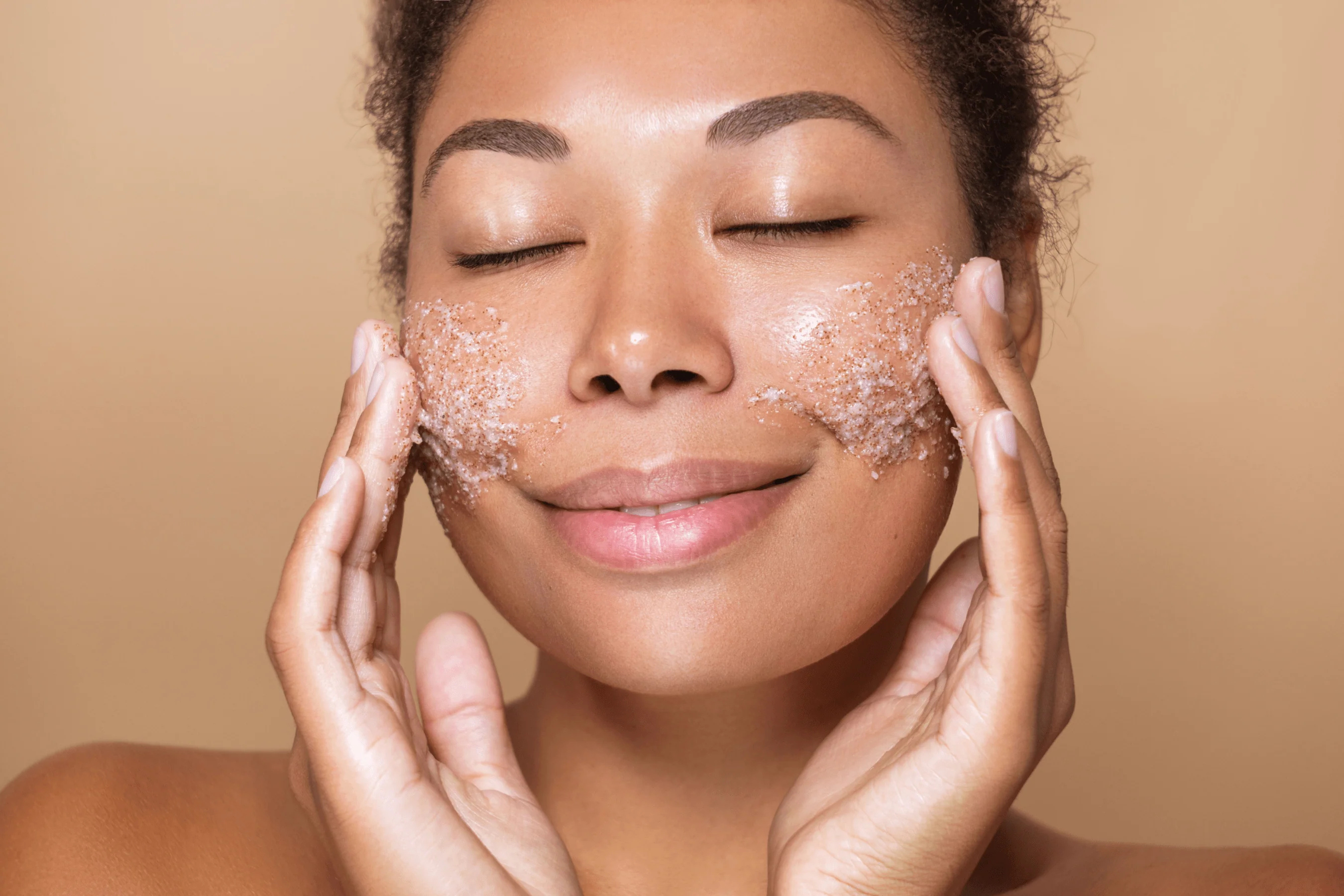
For sensitive skin, the goal isn't to exfoliate more—it’s to exfoliate gently and give your skin time to adjust.
Exfoliators for oily skin
Oily and blemish-prone skin tends to produce more sebum, which can mix with dead skin cells and contribute to clogged pores, blackheads, and breakouts. This makes BHAs (Beta Hydroxy Acids) a popular choice for oily skin. Because salicylic acid is oil-soluble, it can work within pores to help loosen excess oil and buildup, leaving the skin feeling cleaner and more refined.
Physical exfoliators can also be suitable for oily skin when used gently. Their buffing action helps remove surface buildup, excess oil, and dead skin cells, leaving the complexion feeling smoother.
However, be mindful when exfoliating blemish-prone skin. Avoid vigorous scrubbing or abrasive formulas, particularly when breakouts are inflamed, as friction may increase irritation and discomfort. For oily skin, effective exfoliation is about keeping pores clear without stripping or disrupting the skin barrier.
For more tailored recommendations, check out our complete guide to choosing and using exfoliators for oily skin
Exfoliators for combination skin
Combination skin often has both oily and dry areas, so the ideal exfoliator should help manage excess oil without leaving drier areas feeling tight or uncomfortable. A balanced approach can help address different skin needs without over-exfoliating.
AHAs, such as glycolic acid and lactic acid, can be a versatile option for combination skin. They work mainly on the skin's surface to help smooth uneven texture and improve the appearance of dullness, leaving the complexion looking fresher and more refined.
For oilier areas, particularly around the T-zone, a BHA such as salicylic acid can help remove excess sebum and buildup from within pores. If needed, you can focus BHA application on congested areas rather than applying it evenly across the entire face.
Peeling gels can also be a gentle option for combination skin, helping remove surface buildup without relying on harsh scrubbing. Whichever formula you choose, pay attention to how different areas of your skin respond and adjust your exfoliation routine accordingly.
How to exfoliate: Final tips
Getting the best results from exfoliation isn't just about choosing the right product—it’s also about how you incorporate it into your skincare routine. Keep these simple tips in mind for effective exfoliation without overdoing it:
- Start with clean skin: Always cleanse your face first so your exfoliator can work directly on clean skin without excess makeup, sunscreen, oil, or impurities getting in the way.
- Follow with hydration: After exfoliating, apply a hydrating serum or moisturiser to help replenish moisture and keep your skin feeling comfortable and smooth.
- Never skip SPF: Daily sunscreen is essential, especially when using exfoliating acids. Some chemical exfoliants can increase your skin's sensitivity to the sun, making consistent UV protection an important part of your routine.
- Be careful when combining active ingredients: Avoid using exfoliating acids at the same time as potentially irritating actives such as retinoids or strong vitamin C formulas, particularly if your skin is sensitive. Introducing too many active ingredients at once can increase the risk of dryness and irritation.
- Don't forget your neck and décolletage: These areas can also benefit from gentle exfoliation, but remember that the skin may be more delicate than your face. Use a suitable formula and gentle application.
- Less is often more: Over-exfoliating won't make your skin glow faster. Start with a moderate frequency and adjust according to how your skin responds. If you experience persistent redness, stinging, or dryness, take a break and focus on supporting your skin barrier.
Summary
The right exfoliator can help remove dead skin cells, refine texture, unclog pores, and reveal a smoother, more radiant complexion. Choose a formula suited to your skin type, exfoliate gently, and always follow with hydration and SPF. Consistency—not over-exfoliation—is the key to healthy-looking, glowing skin.