
Dark Spots Skincare Routine: A Step-by-Step Guide to Brighter, More Even-Looking Skin
Posted by Histolab Skincare Australia on 13th Sep 2026
Dark Spots Skincare Routine: A Step-by-Step Guide to Brighter, More Even-Looking Skin
Dark spots and pigmentation rarely disappear overnight, but a consistent and well-balanced skincare routine can help improve their appearance over time. An effective routine combines gentle cleansing, targeted brightening ingredients, adequate hydration, and daily sun protection to support a more even-looking complexion while maintaining a healthy skin barrier.
Whether pigmentation is associated with acne, sun exposure, or hormonal changes, consistency is essential. In this step-by-step guide, we’ll explore how to build a skincare routine for dark spots and how carefully selected ingredients can work together to brighten the appearance of uneven skin tone, support smoother-looking skin, and promote a healthy, radiant complexion—without relying on harsh formulations.
Why Do Dark Spots Appear?
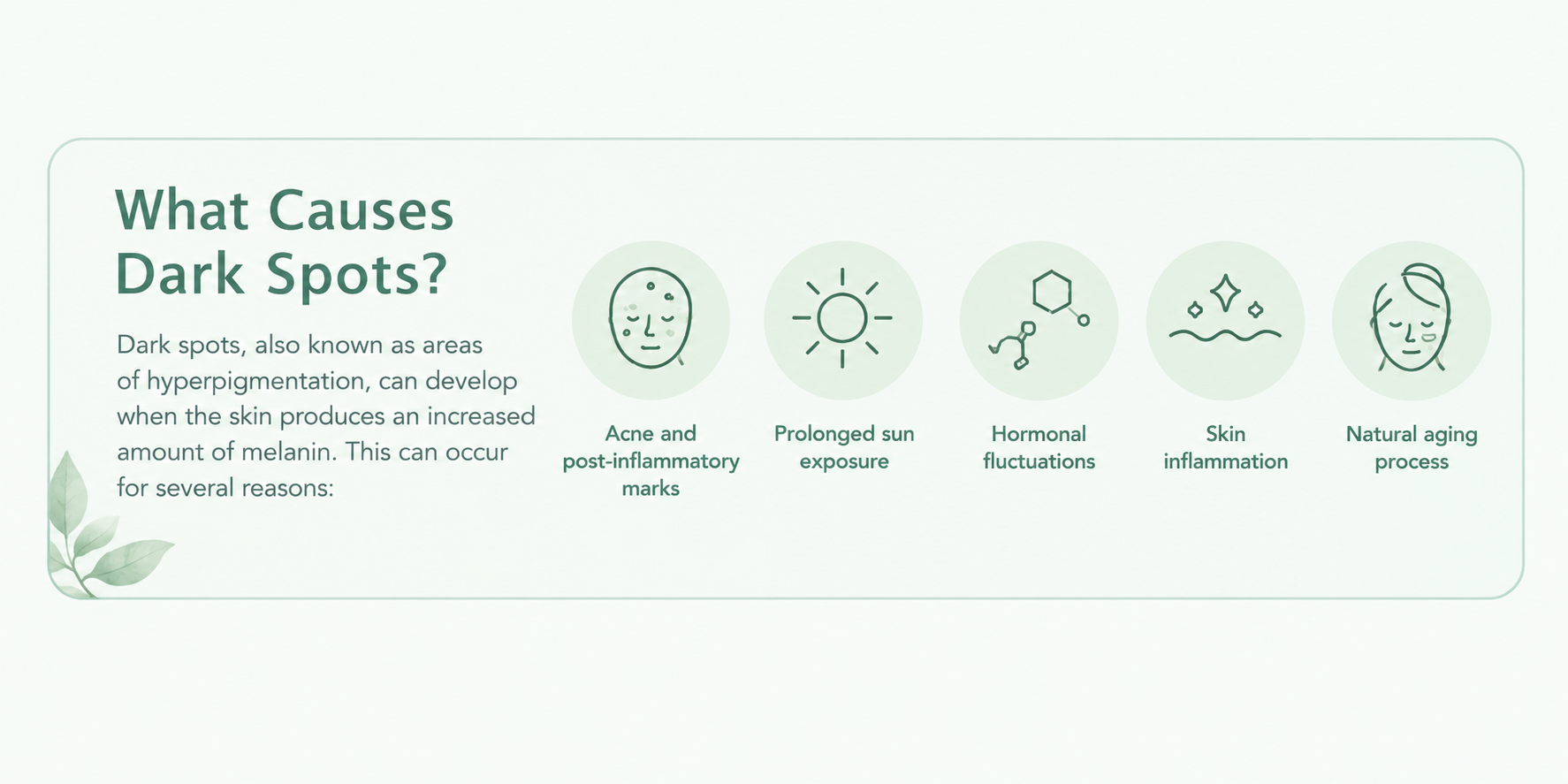
Dark spots, also known as areas of hyperpigmentation, can develop when the skin produces an increased amount of melanin. This can occur for several reasons, including acne and post-inflammatory marks, prolonged sun exposure, hormonal fluctuations, skin inflammation, and the natural aging process.
Sun exposure is one of the key factors that can contribute to visible pigmentation. Repeated exposure to UV radiation can stimulate melanin production and make existing dark spots appear more noticeable. Without consistent sun protection, pigmentation may become more persistent and difficult to manage over time.
The good news is that a consistent skincare routine can help improve the appearance of uneven skin tone and pigmentation. Combining targeted brightening ingredients with gentle cleansing, adequate hydration, and daily broad-spectrum sun protection can support a more even-looking complexion while helping maintain a healthy skin barrier.
When it comes to pigmentation, consistency is more important than using an overly complex routine. Choosing suitable ingredients and giving your skin time to respond can help you achieve a brighter, smoother, and more balanced-looking complexion over time.
Step-by-Step Skincare Routine for Dark Spots
An effective approach to pigmentation is not about relying on a single product. Instead, a well-balanced skincare routine brings together complementary steps to cleanse, brighten, hydrate, and protect the skin. When used consistently, these steps can help improve the appearance of dark spots and uneven skin tone while supporting a healthy-looking skin barrier.
Follow these five essential steps to build a simple, targeted skincare routine for brighter, smoother, and more even-looking skin.
Step 1: Start with a Gentle Cleanser
A well-prepared complexion is the foundation of an effective skincare routine. Start with a gentle cleanser to remove excess sebum, sunscreen, makeup, and daily impurities while helping maintain the skin’s natural moisture barrier.
Choose a cleanser that leaves the skin feeling fresh and comfortable without excessive dryness or tightness. Gentle cleansing helps create a clean, balanced base for the brightening and hydrating steps that follow, allowing your skincare routine to work in harmony with the skin’s natural barrier.
Step 2: Apply a Vitamin C Serum
Vitamin C is a well-established skincare ingredient for supporting a brighter, more even-looking complexion. As an antioxidant, it helps protect the skin from environmental stressors while supporting the appearance of dullness, uneven skin tone, and visible pigmentation.
For targeted brightening care, HISTOLAB Vita C Complex Ampoule 47% can be incorporated into your routine after cleansing. Formulated with a Vitamin C complex, this ampoule helps support skin radiance and improve the appearance of uneven tone and pigmentation while maintaining a healthy-looking complexion.

Apply an appropriate amount to clean skin and gently pat until absorbed. With consistent use, Vitamin C can complement a well-balanced brightening routine and help reveal skin that looks clearer, smoother, and more radiant over time.
Step 3: Support the Skin Barrier with Niacinamide
A healthy skin barrier plays an important role in maintaining balanced, resilient-looking skin. Niacinamide, also known as Vitamin B3, is a versatile skincare ingredient that helps support the skin barrier while improving the appearance of uneven skin tone and post-acne marks.
When used as part of a consistent brightening routine, Niacinamide can complement Vitamin C by supporting overall skin health and helping the complexion appear smoother, clearer, and more even. This combination can be particularly beneficial when caring for skin prone to visible pigmentation without overcomplicating your routine.
For best results, introduce active ingredients gradually and choose formulations that suit your skin’s individual needs.
Step 4: Lock in Hydration
Maintaining adequate hydration is an important part of caring for skin with visible pigmentation. Well-hydrated skin can appear smoother, softer, and more radiant, while supporting a healthy skin barrier.
Choose a lightweight moisturiser that provides lasting hydration without leaving the skin feeling heavy or greasy. Ingredients such as Sodium Hyaluronate, Beta-Glucan, and Betaine can help replenish moisture and support comfortable, balanced-looking skin.
For an added hydration step, HISTOLAB Water-Max Hydrating Moisturizer helps maintain the skin’s moisture balance while supporting the skin barrier. Consistent hydration also helps create a comfortable base for the active ingredients used throughout your brightening routine.
Step 5: Never Skip Sunscreen
Daily sun protection is one of the most important steps when caring for dark spots and uneven skin tone. UV exposure can stimulate melanin production and contribute to the appearance of existing pigmentation, while repeated exposure may make it more difficult to maintain an even-looking complexion.
Apply a broad-spectrum sunscreen every morning as the final step of your skincare routine, and reapply as needed when spending extended time outdoors. Consistent sun protection not only helps protect the skin from UV-related damage but also supports the results of your brightening skincare routine.
For skin prone to pigmentation, sunscreen should be a daily habit—not just something reserved for sunny days.
Gentle Ingredients That Help Improve the Appearance of Dark Spots
Improving the appearance of pigmentation does not necessarily require harsh or aggressive ingredients. A well-formulated skincare routine can combine targeted brightening and exfoliating ingredients with hydration and barrier-supporting care to gradually improve the look of uneven skin tone.
Here are some commonly used ingredients to consider when building a skincare routine for dark spots:
Vitamin C: An antioxidant that helps brighten the appearance of dull skin and supports a more even-looking complexion.
Niacinamide: Helps support the skin barrier while improving the appearance of uneven skin tone and post-acne marks.
Kojic Acid: Helps target the appearance of excess pigmentation by supporting a more even-looking skin tone.
Glycolic Acid: An AHA that exfoliates the skin’s surface, helping remove accumulated dead skin cells and reveal smoother, brighter-looking skin.
These ingredients can play different but complementary roles in a pigmentation-focused skincare routine. The key is to choose formulations that suit your skin type, introduce active ingredients gradually, and use them consistently alongside daily sun protection.
For sensitive or easily irritated skin, avoid layering multiple active ingredients at once. A simple, well-balanced routine is often a better approach to maintaining a healthy skin barrier while gradually improving the appearance of pigmentation.
Common Mistakes That Can Slow Down Results
Even a well-designed skincare routine may be less effective if certain habits are overlooked. When caring for pigmentation and dark spots, consistency and gentle skin care are just as important as the active ingredients you choose.
Skipping Sunscreen During the Day
UV exposure can contribute to the appearance of pigmentation and make uneven skin tone more noticeable. Skipping sunscreen can also make it harder to maintain the results of your brightening routine. Make broad-spectrum sunscreen a daily part of your skincare routine, even when you are not spending extended periods outdoors.
Over-Exfoliating the Skin
Exfoliation can help remove accumulated dead skin cells, but too much exfoliation may leave the skin feeling dry, sensitive, or uncomfortable. Avoid using exfoliating products too frequently and give your skin time to adjust to active ingredients.
Picking at Acne or Blemishes
Picking, squeezing, or repeatedly touching blemishes can increase skin irritation and may contribute to the appearance of post-inflammatory marks. Allow blemishes to heal naturally and keep your routine gentle.
Using Too Many Active Ingredients at Once
More active ingredients do not necessarily mean better results. Combining multiple exfoliating or brightening ingredients at the same time can overwhelm the skin, particularly if you have sensitive or easily irritated skin. Introduce new actives gradually and focus on a balanced routine.
Changing Products Too Frequently
Skincare requires consistency and time. Frequently switching between products can make it difficult to determine what works for your skin and may increase the risk of irritation. Give your routine sufficient time before making unnecessary changes.
Expecting Immediate Results
Pigmentation develops over time, so improvements are unlikely to happen overnight. Rather than focusing on quick results, concentrate on maintaining a consistent routine and supporting your skin with gentle cleansing, targeted skincare, hydration, and daily sun protection.
Summary:
Improving the appearance of dark spots is a gradual process, but consistent daily habits can support a healthier, more even-looking complexion over time. A simple routine that combines gentle cleansing, targeted brightening ingredients, adequate hydration, and broad-spectrum sunscreen can help you care for pigmentation while maintaining a healthy skin barrier.
Remember, effective skincare is not about using the most products—it is about choosing the right ingredients for your skin and using them consistently.